
HumanitiesCultureHCI
AI and the Humanities
Using methods and models from AI to answer fundamental research questions in the humanities, while also exploring how the humanities can contribute to AI
Discover the diverse range of AI research initiatives led by our faculty and students, spanning from theoretical foundations to real-world applications.
Using methods and models from AI to answer fundamental research questions in the humanities, while also exploring how the humanities can contribute to AI
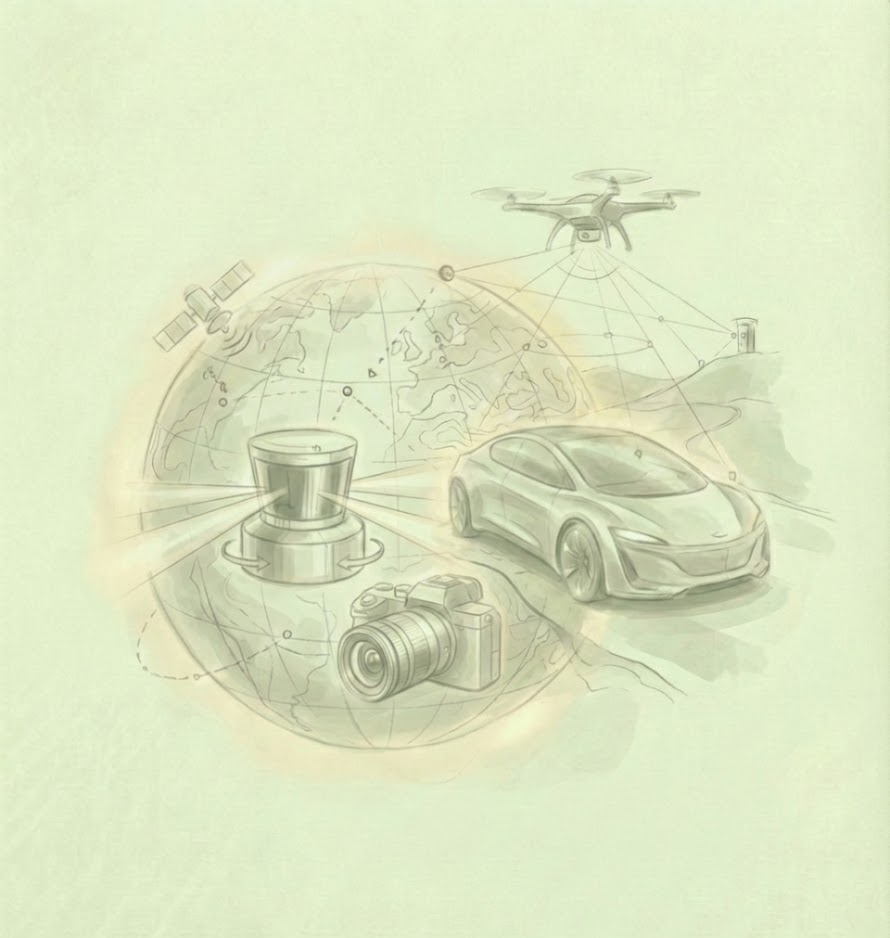
Developing AI methods tailored to the unique nature of geospatial data like earth observation satellite imagery, for applications in Environmental monitoring and sustainability
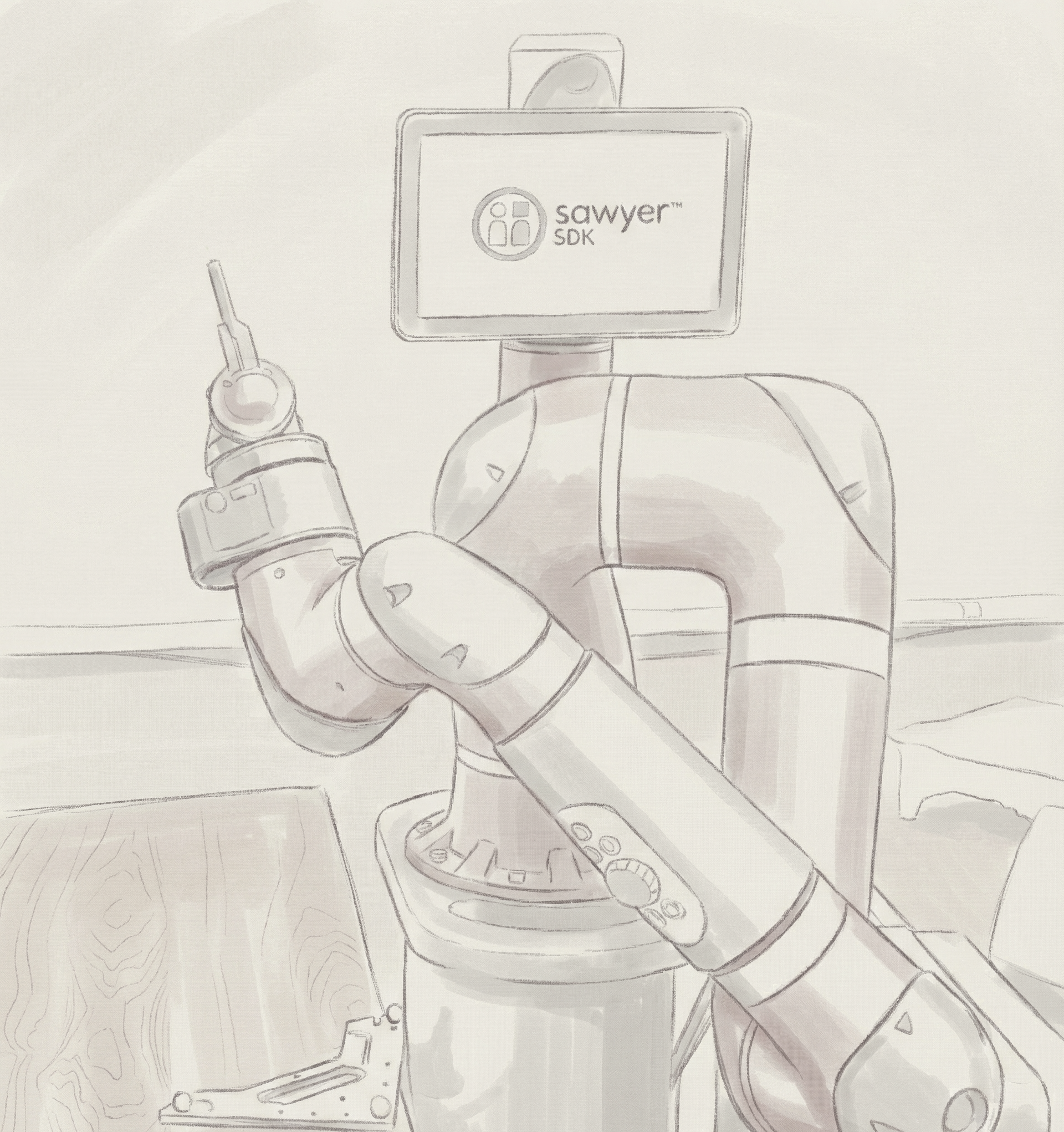
Investigating the algorithmic and behavioral foundations that allow robots to interpret social cues and participate in transparent interactions within human-centric environments.
Developing computational frameworks for seamless coordination between humans and autonomous systems by aligning AI with human cognitive models and intent.
Engineering physical AI systems capable of robust perception and agile reasoning to perform complex manipulation and navigation tasks safely in unstructured, real-world settings.
Developing and using AI methods to analyze and model social phenomena.
Developing and evaluating AI dataset challenges and models, focused on analyzing of visual information
Developing and evaluating AI dataset challenges and models, focused on analyzing multimodal information
Developing, evaluating, and applying systems that involve hybrid partnerships between humans and AI

Integrating neural network based learning with symbolic representations and reasoning techniques. Neural components enable data-driven pattern recognition, while symbolic systems provide explicit knowledge modeling, rule-based inference and interpretability
Pioneering the integration of large-scale multimodal models into the robotic control loop to enable long-horizon spatial reasoning and 'Chain-of-Causation' transparency in complex, unstructured environments.
Advancing the capabilities of autonomous systems in 'data-impoverished' and hazardous settings by developing procedural world models and intelligent scenario sampling to ensure mission success under extreme physical constraints.
Architecting decentralized frameworks where teams of robots utilize natural language dialogue and semantic updates to maintain shared mental models and coordinate exploration strategies in GPS-denied or bandwidth-limited environments.
Bridging formal safety protocols with neural learning to identify 'Safe Rule-Breaking' frontiers and utilizing VLM-as-an-Oracle (RLVR) to align robotic behavior with expert human judgment and operational 'books' of protocol.
Developing, evaluating, and applying AI models for the processing and study of human language
Exploring the intersection of computer science and economics, focusing on information elicitation and prediction markets.
Applying machine learning and analytics to understand and improve student learning in complex educational environments.
Investigating how computers can understand and represent meaning in natural language, including metaphor and narrative.
Building scalable, efficient, and secure infrastructure and systems to support large-scale machine learning and AI.
Analyzing the theoretical foundations of machine learning through the lens of economics and information elicitation.